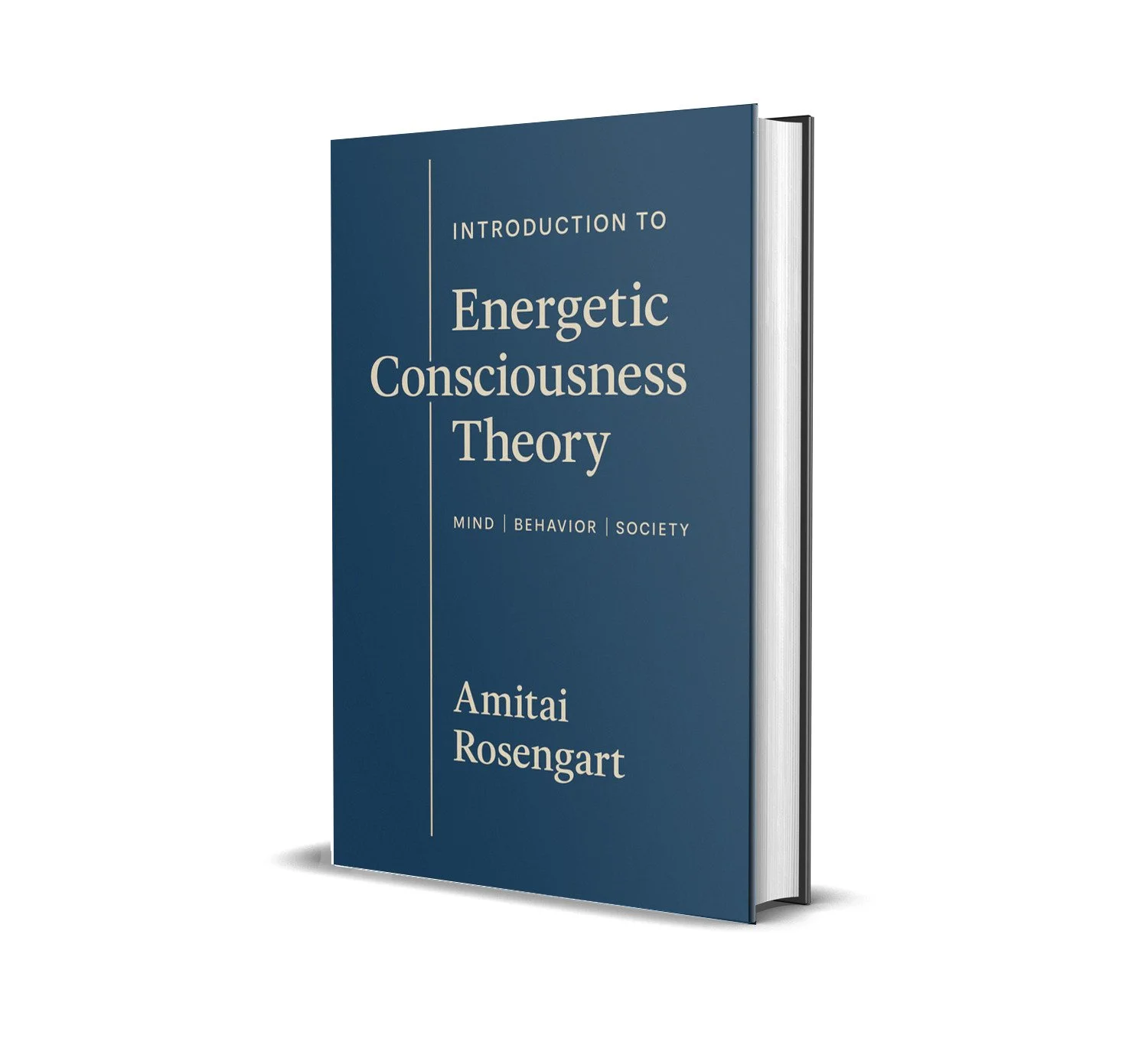
Introduction to Energetic Consciousness Theory
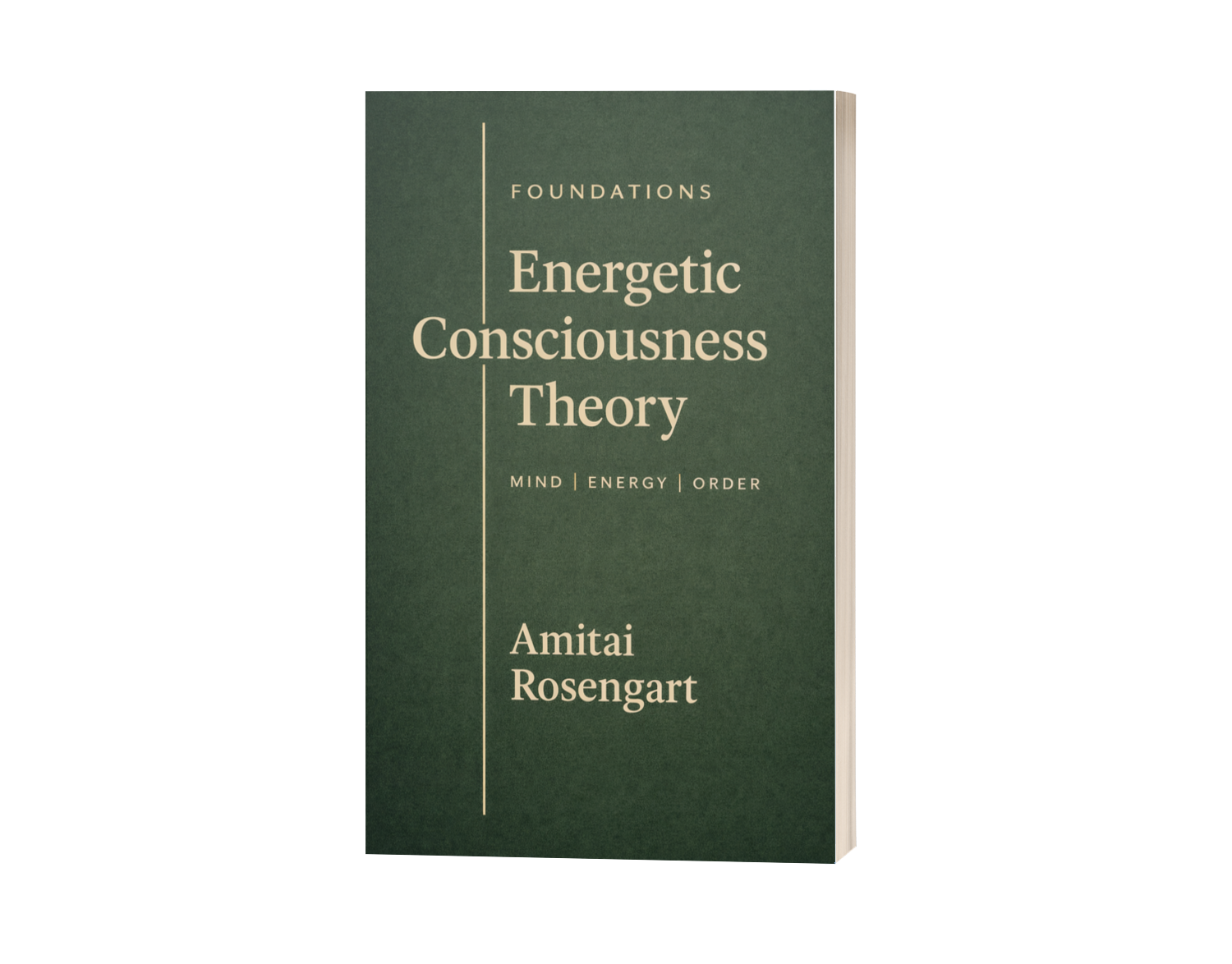
This volume is conceived as an orienting introduction to Energetic Consciousness Theory. It offers a conceptual overview of the theory’s core intuitions, explains its central claims in accessible terms, and situates ECT within relevant scientific and philosophical contexts. It is intentionally non-exhaustive and does not constitute the formal theoretical statement. Readers seeking the full conceptual architecture, precise definitions, boundary conditions, and a framework suitable for scholarly critique and citation should refer to Energetic Consciousness Theory: Foundations, which serves as the canonical reference work for the theory.
Energetic Consciousness Theory begins from a quiet but radical premise: consciousness is not an unlimited inner space, but a system shaped by energetic constraints. Every thought, emotion, and act of meaning requires energy, and the human organism must constantly—often unconsciously—decide where that energy is invested. Over time, these decisions form stable patterns that give rise to identity, habits of mind, and the trajectories by which lives unfold.
Seen through this lens, many defining features of modern life—persistent fatigue, fragmented attention, anxiety, loss of purpose, and emotional volatility—are not personal shortcomings or cultural accidents. They are the predictable outcomes of organisms operating under chronic energetic strain. When energy is misallocated or depleted, consciousness narrows, defensive behaviors dominate, and long-term coherence gives way to short-term survival strategies. What feels like a psychological or moral crisis is often, at its core, an energetic one.
The theory extends beyond the individual to society itself. Technologies, economic systems, and cultural norms reorganize how collective energy is spent and what forms of attention are rewarded. As these energetic regimes shift, so do values, institutions, and political dynamics. By grounding consciousness in energetic reality, this book offers a unified framework to understand the inner life and the social world—and to grasp why our age feels increasingly unstable, fragmented, and unsustainable.
Buy it now at your local Amazon website.
Other Publications