Energetic Consciousness Theory – Volume II
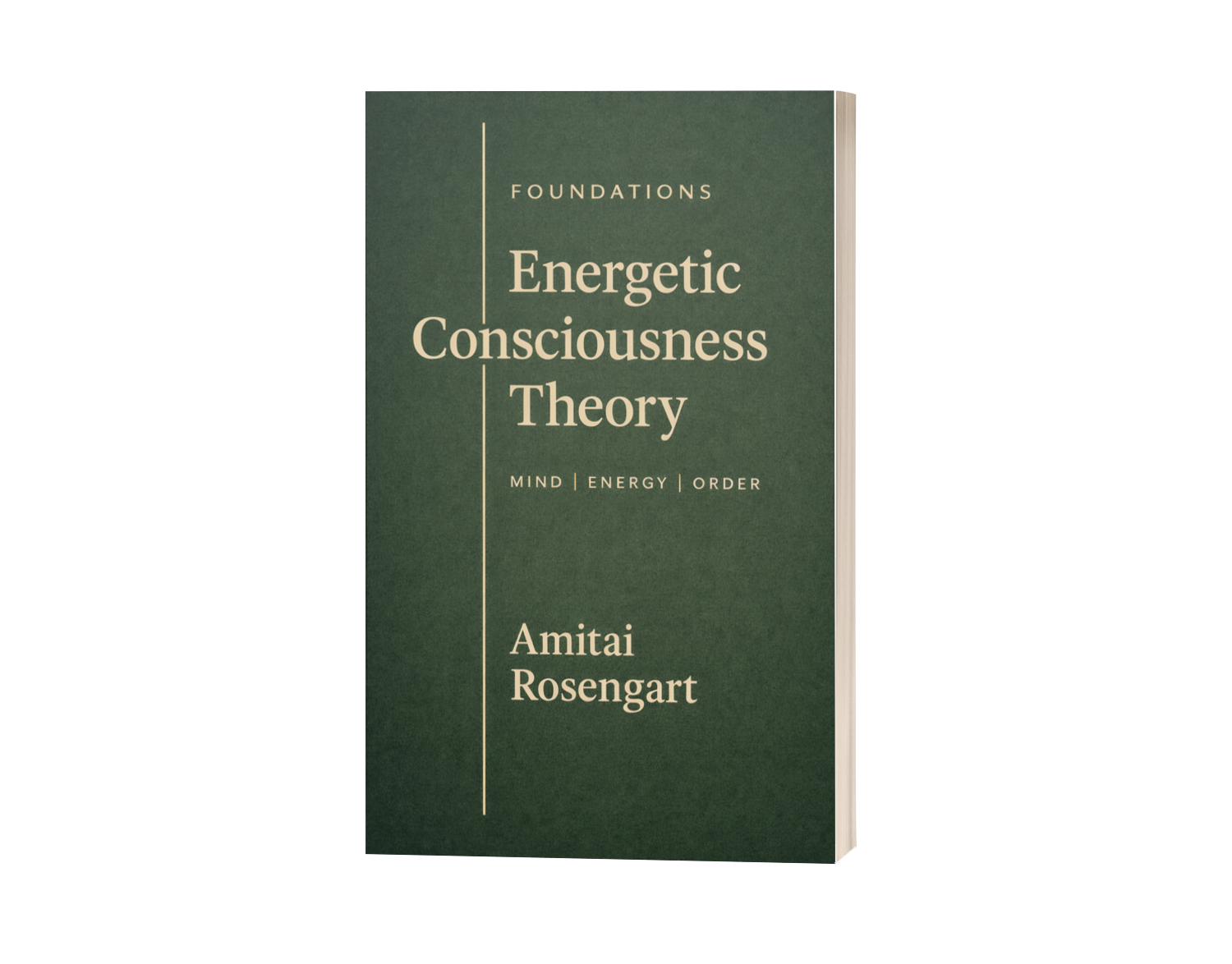
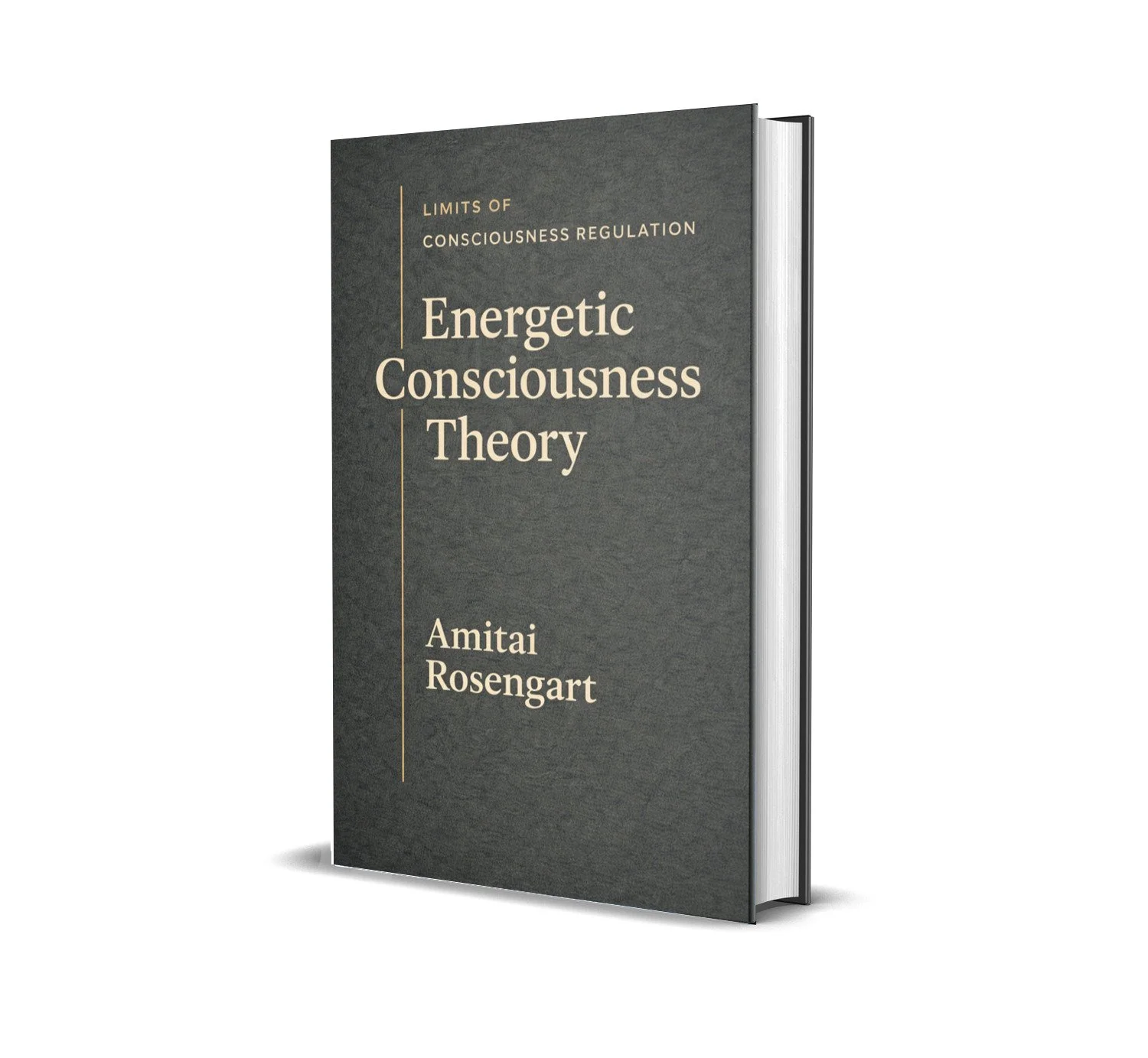
Energetic Consciousness Theory – Volume II: Limits of Consciousness Regulation extends the theoretical framework established in Foundations by examining what consciousness cannot sustain, regulate, or resolve once energetic and regulatory constraints are taken seriously.
Where Foundations articulated the core architecture of Energetic Consciousness Theory (ECT), this volume explores the boundary conditions of that architecture: the points at which regulation fails, coherence becomes rigid, and adaptive capacity gives way to collapse, distortion, or chronic strain.
This is not a book about pathology in the clinical sense, nor about subjective experience in isolation. It is a structural inquiry into the costs of maintaining consciousness under constraint—and into why breakdown is often delayed, misattributed, or moralized rather than understood.
About This Volume
What This Book Is
This volume is a theoretical investigation into the limits of conscious regulation as an energetic process.
It examines how systems remain coherent under increasing load, how meaning stabilizes behavior even as flexibility erodes, and why collapse is often preceded by long periods of apparent success or stability. The book develops a set of structural principles explaining rigidity, burnout, identity overcommitment, and delayed failure as predictable outcomes of constrained regulation rather than individual weakness or error.
Building on the framework established in Energetic Consciousness Theory – Volume I: Foundations, this volume advances ECT from architecture to dynamics: from what consciousness is, to how it fails.
Place Within the Energetic Consciousness Theory Series
Foundations established the core claims of Energetic Consciousness Theory: that consciousness is shaped by energetic constraints, that affect functions as a regulatory signal, and that identity and meaning emerge as stabilizing structures under load.
Volume II examines what follows once those claims are taken seriously over time.
This volume focuses on:
The accumulation of regulatory strain
The stabilization of meaning beyond its adaptive range
The emergence of rigidity without conscious endorsement
The structural delay between stress and collapse
Rather than extending the theory outward, this book presses it inward—toward its breaking points.
Core Themes
This volume develops several interrelated lines of analysis, including:
Consciousness as a costly regulatory process
The difference between coherence and flexibility
Why meaning persists even when it becomes maladaptive
The structural origins of rigidity, nihilism, and exhaustion
Delayed collapse and post-hoc moralization
Responsibility under constraint
Across these themes, the book argues that many phenomena treated as psychological, cultural, or moral failures are better understood as predictable outcomes of constrained regulation.
Intended Readers
This book is written for readers with a serious interest in the theoretical foundations of mind, behavior, and meaning, including:
Philosophers of mind and phenomenology
Cognitive scientists and theorists
Psychologists and behavioral researchers
Scholars working on meaning, identity, or regulation
Advanced readers engaged with interdisciplinary theory
It presumes familiarity with conceptual argumentation and does not attempt to simplify or popularize its claims.
Relationship to Other Volumes
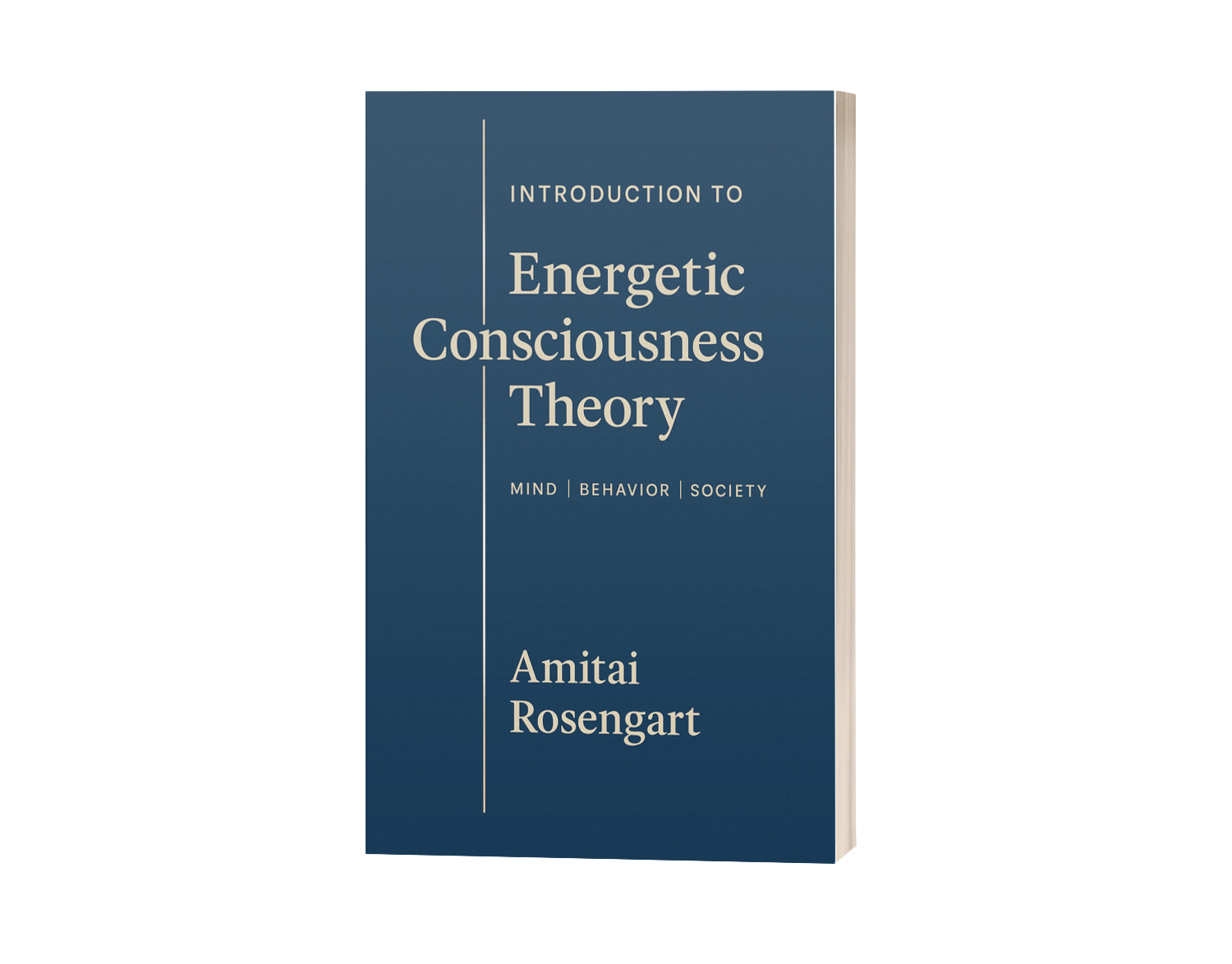
Readers new to Energetic Consciousness Theory are encouraged to begin with Introduction to Energetic Consciousness Theory, followed by Volume I: Foundations.
Volume II: Limits of Consciousness Regulation builds directly on those works and is not intended as a standalone introduction.
Future volumes will extend the framework toward meaning, implementation, and broader implications, but this volume remains deliberately constrained to the problem of limits.
Energetic Consciousness Theory Other Books