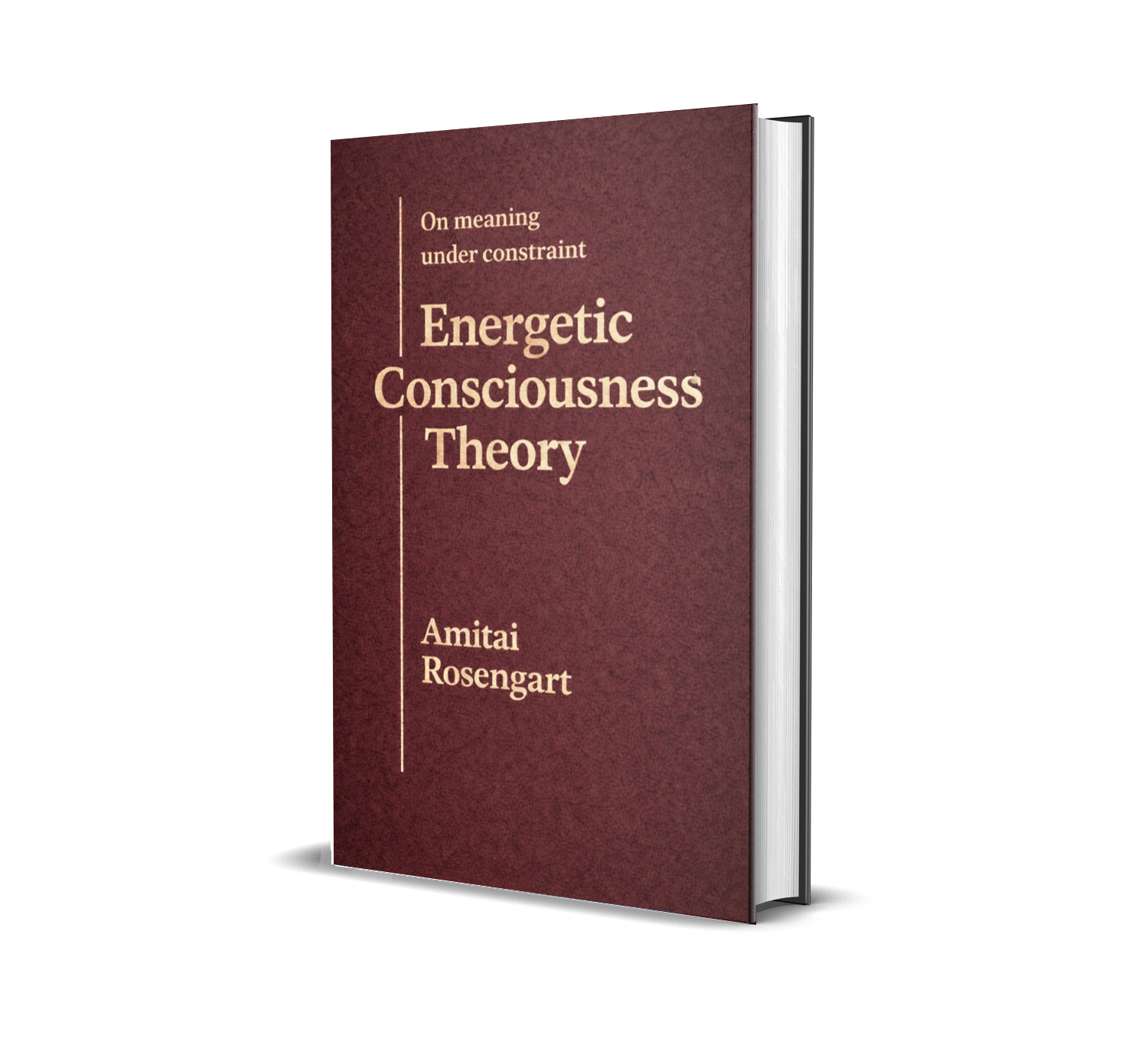
Energetic Consciousness Theory: Volume III - On Meaning Under Constraint
On Meaning Under Constraint explores the philosophical consequences that arise once these limits are acknowledged.
Human beings typically experience themselves as stable agents capable of maintaining coherent identities, moral commitments, and meaningful narratives about their lives. Most philosophical traditions implicitly assume that such coherence is structurally available. Energetic Consciousness Theory challenges this assumption.
If consciousness is energetically constrained, then the ability to maintain coherent agency cannot be taken for granted. Identity must be stabilized, responsibility must be sustained, and meaning must be continuously maintained through regulatory processes that require energy and remain inherently limited.
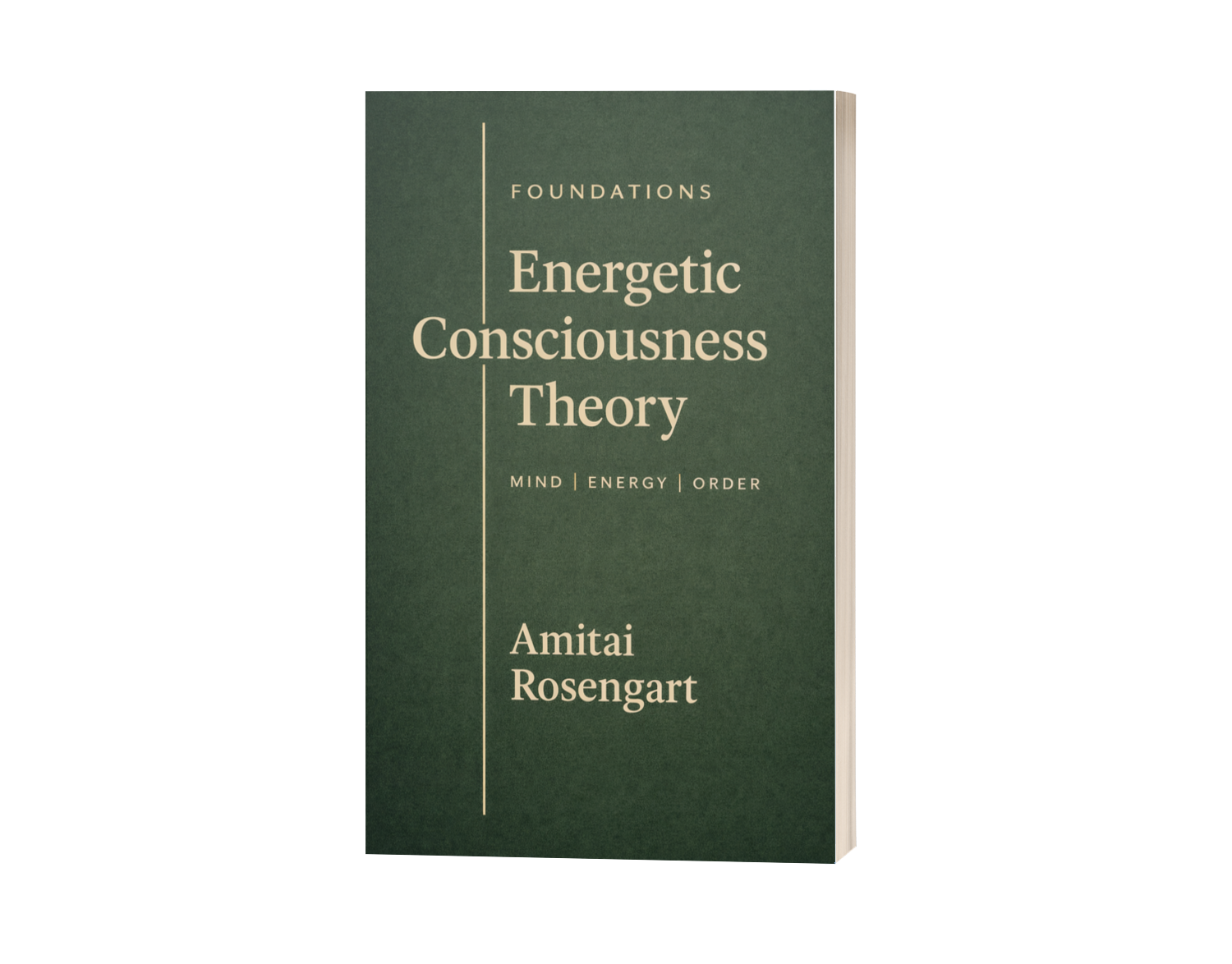
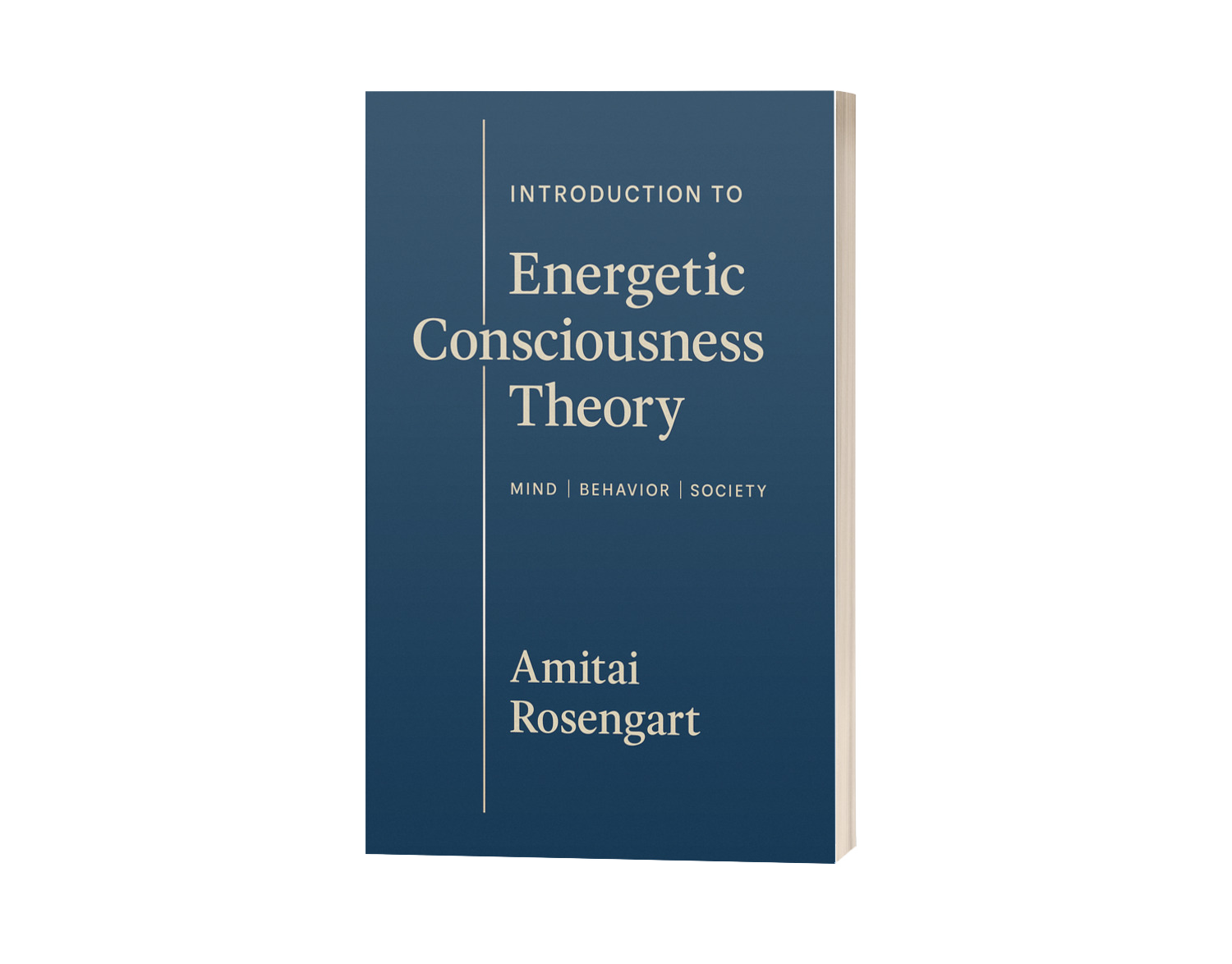
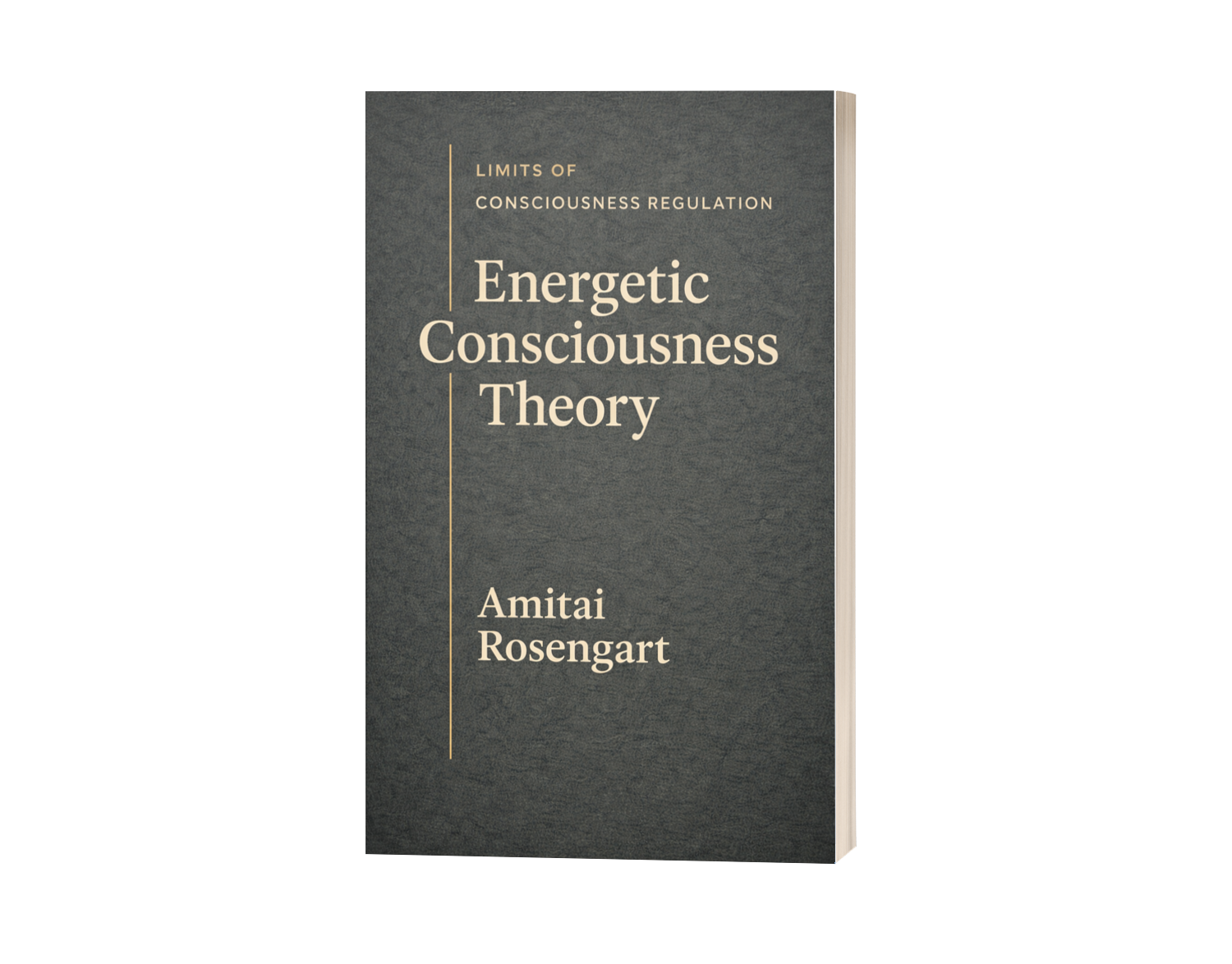
This volume represents the third major step in the development of Energetic Consciousness Theory. While the first volume established the energetic foundations of consciousness and the second examined the limits of regulation, this work explores what those limits imply for how human beings understand responsibility, purpose, and the possibility of meaning itself.
Core Concepts in Volume III
Energetic Agency
Agency is not assumed as an inherent property of conscious beings. Within Energetic Consciousness Theory, agency is understood as a regulated achievement that depends on the system’s available energetic capacity. Coherent action across time requires continuous allocation of energy toward attention, inhibition, and coordination. When energetic conditions deteriorate, the stability of agency itself begins to narrow.
Energetic Identity
Identity is not treated as a fixed essence but as the temporary stabilization of regulatory patterns across time. Maintaining a coherent sense of self requires sustained energetic investment in narrative continuity, behavioural alignment, and internal coherence. When these regulatory efforts become too costly, identity may fragment or rigidify.
Conditional Responsibility
Responsibility presupposes the capacity to regulate behaviour in light of values and long-term orientation. Because regulatory capacity fluctuates with energetic conditions, responsibility cannot be treated as an absolute property of the individual. Instead, it appears as a capacity that expands or contracts depending on the system’s ability to sustain coherent regulation.
Meaning as Regulatory Structure
Meaning is approached not as a purely philosophical abstraction but as a structural function of conscious regulation. Meaning organizes attention, stabilizes orientation, and supports long-term behavioural coherence. It allows the system to maintain direction despite uncertainty and constraint.
Regression and Simplification
When regulatory capacity narrows, systems tend to move toward simpler forms of organization. Complex interpretations of reality give way to rigid frameworks that reduce cognitive load. Ideological rigidity, regression, or the rejection of meaning itself can therefore emerge as structural responses to sustained energetic strain.
Fragility of Coherent Life
Taken together, these concepts suggest that coherence, responsibility, and meaning are not guaranteed features of conscious life. They are fragile achievements that depend on the energetic conditions required for regulation to remain flexible and sustained across time.
ECT Books